What Is SOC as a Service?
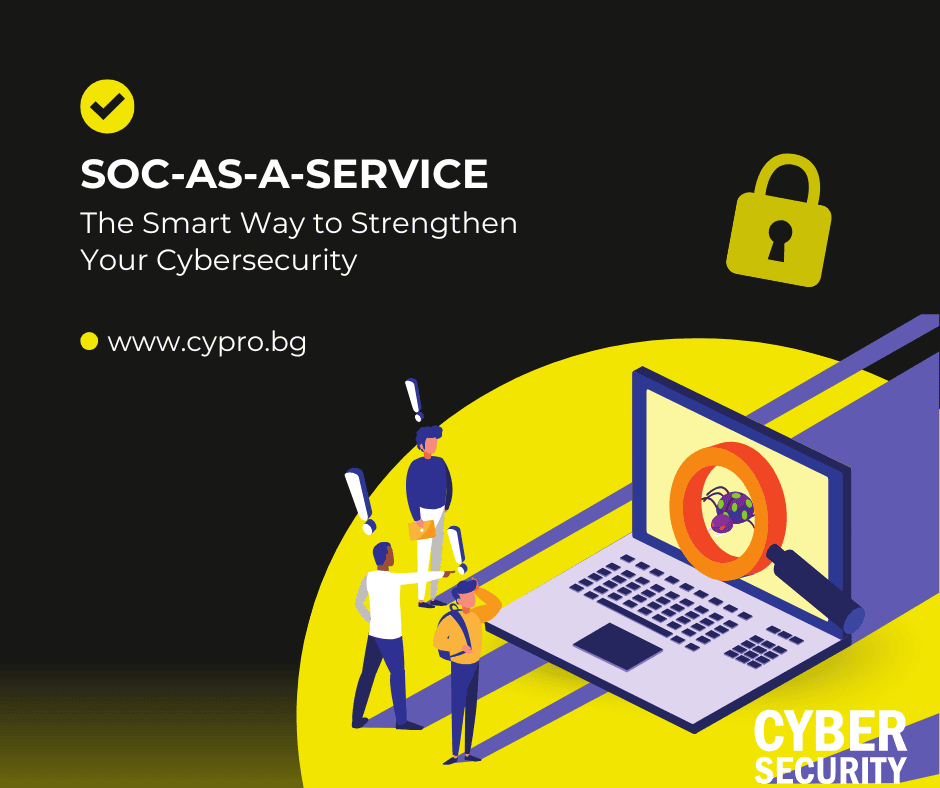
SOC as a Service (Security Operations Center as a Service) is a managed cybersecurity service where an external provider monitors, detects, analyzes, and responds to security threats on behalf of an organization.
Traditionally, companies built their own Security Operations Center (SOC)—a dedicated team of cybersecurity experts, tools, and infrastructure responsible for monitoring systems and responding to cyber incidents. However, building and maintaining an in-house SOC is expensive, complex, and requires highly specialized skills.
SOC as a Service solves this challenge by giving organizations 24/7 security monitoring and incident response capabilities without the need to build an internal SOC from scratch.
With cyber threats becoming more sophisticated, businesses increasingly rely on SOC as a Service providers to protect their networks, endpoints, cloud environments, and sensitive data.
Why Organizations Need SOC as a Service
Cyberattacks are growing in frequency and complexity. From ransomware to phishing campaigns and insider threats, organizations face constant risks that can disrupt operations and compromise sensitive information.
SOC as a Service helps organizations strengthen their security posture by providing:
- 24/7 threat monitoring and detection
- Faster incident response
- Access to cybersecurity experts
- Reduced operational costs
- Improved regulatory compliance
Many small and mid-sized organizations simply do not have the resources to maintain a full internal security team. SOC as a Service allows them to access enterprise-level security capabilities at a fraction of the cost.
How SOC as a Service Works
SOC as a Service providers combine advanced security technologies, skilled analysts, and threat intelligence to continuously monitor an organization’s digital environment.
The process usually includes several key components.
- Continuous Monitoring
Security systems, networks, endpoints, and cloud environments are monitored in real time. Security tools collect logs and data from multiple sources to identify suspicious activity.
- Threat Detection
Advanced technologies such as SIEM (Security Information and Event Management) and behavioral analytics help identify anomalies that could indicate a cyberattack.
- Incident Investigation
When suspicious activity is detected, security analysts investigate the event to determine whether it is a real threat or a false alarm.
- Incident Response
If a security incident is confirmed, the SOC team takes action to contain and mitigate the threat. This may include isolating compromised systems, blocking malicious IP addresses, or alerting internal teams.
Key Components of SOC as a Service
SOC as a Service providers typically rely on several technologies and capabilities.
- Security Information and Event Management (SIEM)
SIEM platforms collect and analyze logs from across the organization’s infrastructure. They help detect unusual activity that might signal a potential attack.
- Threat Intelligence
SOC teams use global threat intelligence feeds to stay updated on emerging threats, malware variants, and attacker techniques.
- Security Automation
Automation tools allow SOC teams to respond faster to incidents by triggering predefined security workflows.
- Expert Security Analysts
Human expertise remains essential. Security analysts interpret alerts, investigate incidents, and provide strategic guidance to improve an organization’s defenses.
Benefits of SOC as a Service
Organizations adopting SOC as a Service gain several important advantages.
- 24/7 Security Monitoring
Cyber threats can occur at any time. SOC as a Service ensures that security experts monitor systems around the clock.
- Access to Cybersecurity Expertise
Hiring experienced cybersecurity professionals can be difficult and expensive. SOC as a Service provides access to a team of specialists with deep security knowledge.
- Faster Threat Detection and Response
Early detection significantly reduces the impact of cyberattacks. SOC teams can identify threats quickly and respond before major damage occurs.
- Cost Efficiency
Building an internal SOC requires investment in technology, infrastructure, and staffing. SOC as a Service offers a more cost-effective alternative.
- Improved Compliance
Many industries require organizations to maintain strong security monitoring and incident response capabilities. SOC as a Service helps meet regulatory requirements such as GDPR, ISO 27001, and others.
SOC as a Service vs. Traditional SOC
| Feature | Traditional SOC | SOC as a Service |
|---|---|---|
| Setup Cost | Very High | Lower |
| Staffing | Internal security team | Managed security experts |
| Availability | Limited by internal resources | 24/7 monitoring |
| Deployment Time | Months or years | Rapid deployment |
| Scalability | Limited | Easily scalable |
For many organizations, SOC as a Service offers a faster and more flexible way to strengthen cybersecurity operations.
Best Practices When Choosing a SOC as a Service Provider
Selecting the right SOC partner is critical to ensuring strong protection.
Organizations should consider the following factors:
Experience and expertise
Look for providers with proven cybersecurity experience and certified analysts.
Technology stack
Ensure the provider uses modern security tools such as SIEM, threat intelligence platforms, and automation technologies.
Incident response capabilities
A strong SOC provider should offer clear procedures for investigating and responding to incidents.
Integration with existing systems
The service should integrate smoothly with your organization’s infrastructure and security tools.
Transparent reporting
Detailed reports and dashboards help organizations understand security events and improve their defenses.
For more information about cybersecurity best practices, organizations can explore the NIST Cybersecurity Framework:
https://www.nist.gov/cyberframework
The Future of SOC as a Service
As digital transformation accelerates, organizations are adopting more cloud services, remote work models, and connected devices. This expanded attack surface makes cybersecurity more challenging than ever.
SOC as a Service providers are evolving by incorporating advanced capabilities such as:
- Artificial intelligence for threat detection
- Automated incident response
- Advanced behavioral analytics
- Integration with Zero Trust security models
These innovations help organizations detect threats faster and respond more effectively.
Conclusion
Cybersecurity is no longer optional—it is a critical business priority. However, building and operating a full Security Operations Center can be difficult and costly.
SOC as a Service provides a practical solution, enabling organizations to access expert security monitoring, advanced threat detection, and rapid incident response without the complexity of managing an internal SOC.
By partnering with the right SOC provider, organizations can strengthen their security posture, reduce cyber risk, and focus on their core business operations with greater confidence.