


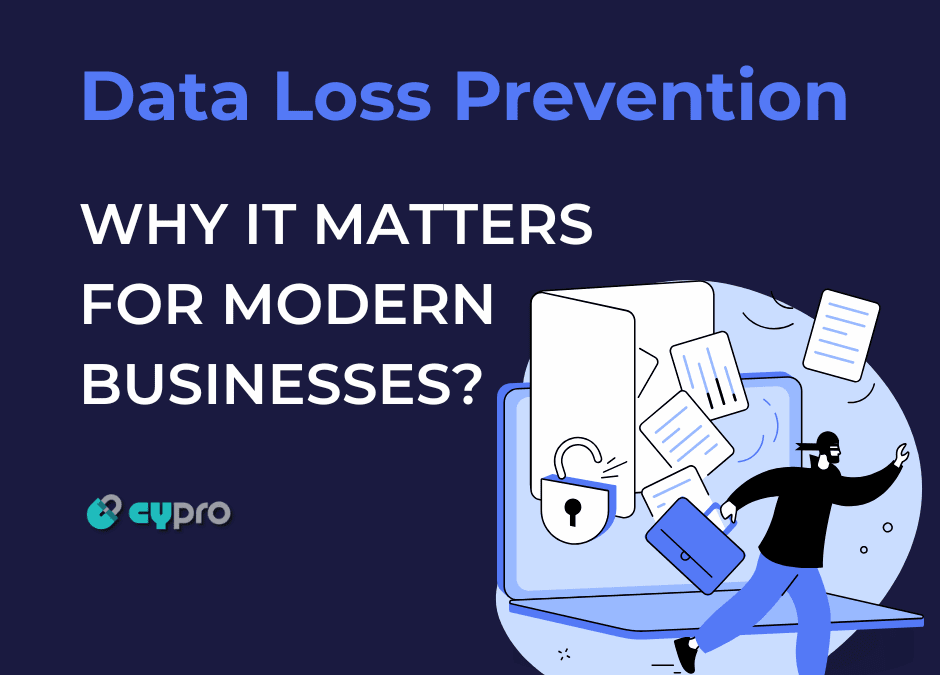
What Is Data Loss Prevention (DLP)?
Data Loss Prevention (DLP) refers to a set of tools, policies, and processes designed to prevent sensitive information from being lost, leaked, or accessed by unauthorized users. Organizations use DLP solutions to monitor, detect, and block potential data breaches before they happen.
In today’s digital landscape, businesses store vast amounts of confidential data — including customer records, financial information, intellectual property, and internal communications. Without proper protection, this data can easily be exposed through cyberattacks, employee mistakes, or insider threats.
DLP systems help organizations identify sensitive data and enforce policies that control how that information is accessed, shared, and transferred.
Why Data Loss Prevention Is Critical Today
Data breaches are becoming more frequent and costly. According to industry research, the average cost of a data breach can reach millions of dollars when considering legal fees, regulatory fines, operational downtime, and reputational damage.
DLP solutions play a key role in protecting businesses by:
-
Preventing accidental data sharing
-
Detecting malicious insider activity
-
Protecting intellectual property
-
Ensuring regulatory compliance
-
Reducing the risk of data breaches
With remote work, cloud applications, and mobile devices becoming standard, traditional security controls are no longer enough. DLP provides visibility and control over where sensitive data lives and how it moves.
Types of Data Loss Prevention
Organizations typically implement three main types of DLP solutions.
1. Network DLP
Network DLP monitors data in motion across an organization’s network. It inspects traffic to detect sensitive information leaving the organization through email, web uploads, or other communication channels.
For example, if an employee attempts to email a spreadsheet containing customer credit card information, the system can automatically block the transmission.
2. Endpoint DLP
Endpoint DLP protects data on user devices such as laptops, desktops, and mobile devices.
It can prevent actions like:
-
Copying sensitive files to USB drives
-
Uploading confidential documents to personal cloud storage
-
Printing sensitive information
Endpoint DLP is particularly important for organizations with remote or hybrid work environments.
3. Cloud DLP
Cloud DLP protects data stored and shared within cloud services such as SaaS applications, file storage platforms, and collaboration tools.
It ensures that sensitive information in cloud environments is monitored and protected, even when employees access systems from different locations or devices.
Key Features of a Strong DLP Solution
A modern DLP system should include several core capabilities to effectively protect organizational data.
- Data Discovery and Classification
DLP tools scan systems to locate sensitive data across servers, endpoints, and cloud platforms. They then classify this data based on type, such as:
-
Personally identifiable information (PII)
-
Financial data
-
Healthcare records
-
Trade secrets
- Real-Time Monitoring
DLP continuously monitors how data is accessed, used, and shared. If suspicious activity occurs, the system can alert administrators or automatically block the action.
- Policy Enforcement
Organizations can create rules that define how sensitive information should be handled. For instance, policies may restrict sending confidential documents outside the company or uploading them to unauthorized platforms.
- Incident Response
When a potential data loss event occurs, DLP systems provide detailed reports and alerts. Security teams can investigate incidents and respond quickly to mitigate risk.
Common Causes of Data Loss
Understanding how data loss occurs helps organizations implement stronger defenses.
Some of the most common causes include:
Human error
Employees may accidentally send confidential information to the wrong recipient or upload sensitive files to unsecured platforms.
Insider threats
Disgruntled or malicious employees may intentionally leak or steal company data.
Cyberattacks
Hackers often target organizations to steal valuable data such as financial records or intellectual property.
Shadow IT
Employees using unauthorized applications or storage services can unknowingly expose company data.
DLP solutions help detect and control these risks.
Benefits of Implementing DLP
Organizations that implement DLP solutions gain several important advantages.
- Improved Data Visibility
DLP provides a clear view of where sensitive information resides and how it moves within the organization.
- Stronger Compliance
Many industries must comply with strict data protection regulations such as GDPR, HIPAA, and PCI DSS. DLP tools help organizations enforce policies that meet these requirements.
- Reduced Risk of Data Breaches
By detecting risky behavior early, DLP systems prevent sensitive information from leaving the organization.
- Enhanced Security Culture
DLP also encourages employees to follow safer data practices by enforcing clear policies and guidelines.
Best Practices for Deploying DLP
Implementing a DLP solution requires careful planning.
Start with data classification
Understand what sensitive data exists in your organization and where it is stored.
Create clear policies
Define rules for how different types of data can be accessed and shared.
Educate employees
Human error remains one of the largest causes of data loss. Regular security awareness training is essential.
Integrate with existing security tools
DLP works best when combined with other cybersecurity solutions such as identity management, endpoint protection, and threat detection.
For more guidance on data protection strategies, resources from the National Institute of Standards and Technology (NIST) provide useful frameworks:
https://www.nist.gov/cyberframework
The Future of Data Loss Prevention
As organizations continue adopting cloud services, artificial intelligence, and remote work models, the need for advanced DLP solutions will only grow.
Modern DLP platforms are evolving with capabilities such as:
-
AI-driven threat detection
-
Behavior analytics
-
Integration with Zero Trust security models
-
Automated policy enforcement
These technologies allow organizations to protect sensitive data more effectively while enabling employees to work securely from anywhere.
Изпратете запитване

Вашите служители са вашият най-голям риск: Защо обученията по киберсигурност са от решаващо значение?
Рискът идва отвътре В дигиталната ера, в която повечето, ако не всички организации са зависими от...
Закон за защита на лицата, подаващи сигнали или публично оповестяващи информация за нарушения
С този закон се уреждат условията, редът и мерките за защита на лицата в публичния и в частния...
Да, киберпрестъпниците също могат да използват ChatGPT в своя полза
В ерата на роботите и изкуствения интелект идва друг играч на пазара на AI: ChatGPT (Generative...

Всичко, което трябва да знаете, за новата Директива NIS2
Основната цел на NIS2 е да повиши нивото на киберустойчивост в целия Европейски Съюз като изисква...

Защо малките и средни предприятия са най-застрашени от кибератаки
Киберсигурността е среда, която изисква специализиран опит, умения и знания за ефективно...
Как да внедрим план за управление на кибер риска?
Има три основни стъпки за разработване и прилагане на план за управление на риска за...

Как да премахнете личната си информация от резултатите от Google Search
GOOGLE обяви на 27 април, че вече може да изпращаме заявки за премахване на резултати от търсенето...

Заплахи за киберсигурността през 2022 г. – Ето какво трябва да знаете
Заплахите за киберсигурността се фокусират върху получаването на достъп до чувствителни данни на...

Повишаване на ИТ сигурността в личния живот, чрез приемане на навици за сигурност
Тъй като днешното разпространение на кибер заплахи и уязвимости продължава да нараства, важно е...

Връщане на работното място – зачитане на правото на поверителност на служителите
Връщане на работното място? Последните 18 месеца видяхме трансформацията на почти всеки аспект на...